



Giving Is the Gift: 4 Ways Gifting Is Good for Your Well-Being
The gift of giving is a wonderful feeling and it comes with a variety of health benefits!
Published: Sep 27, 2022 | Modified: Nov 20, 2026
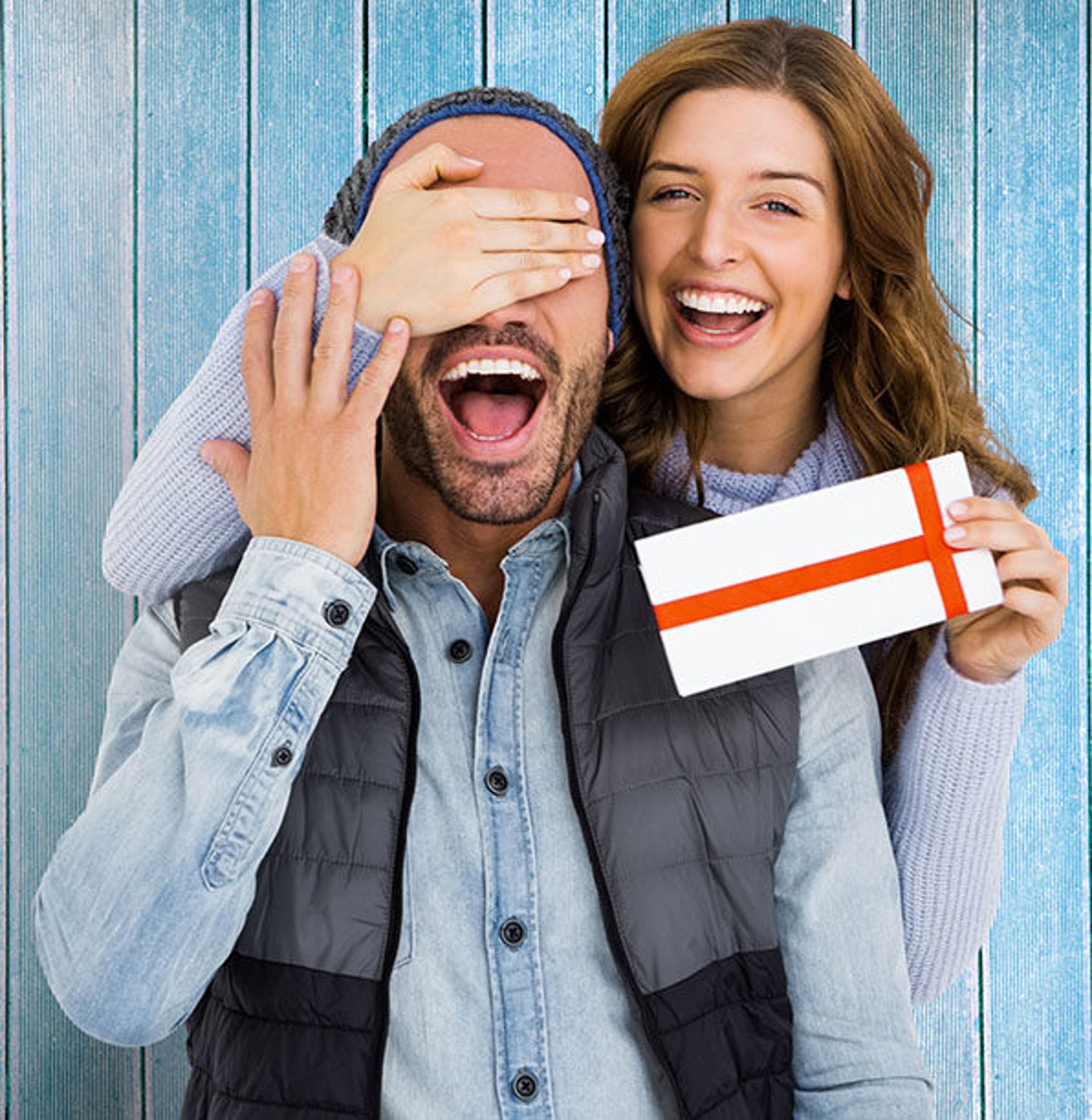
Giving to others fills you with a wonderful feeling. It's an opportunity to create a special moment with a loved one, to see the smile on their face while they’re opening the gift you've picked out for them.
Though you may not spend much time thinking of the benefits of gifting, we know there are a surprising number of ways in which this act of kindness can positively influence your life. Not only does it strengthen the bond between giver and receiver, but studies have shown that giving has added health benefits. It can help boost your physical health and mental well-being as well as make you feel generous in other aspects of your life.
The benefits of giving reach well beyond the person who opens the gift. Giving can strengthen your relationships, lift your mood, help you manage stress, and encourage a spirit of generosity that carries into the rest of your life.
Here are the four benefits at a glance:
- Stronger relationships: Choosing a gift shows someone you appreciate them, and it helps you know them better.
- Better mental health: Giving can leave you feeling generous and in control, and it activates regions of the brain tied to pleasure.
- Stress relief linked to a longer life: In one study, helping others buffered the link between stress and mortality.
- A spirit of generosity: One gift can inspire you, and the person who receives it, to give again.
Giving strengthens your relationships
One of the greatest benefits of gift giving is strengthening the relationship with the person receiving the gift. You receive an enormous sense of satisfaction when you see the expression on the face of someone you’ve given a gift to. This reaction shows that you have acknowledged the person and appreciate their presence in your life.
“You come to know the person even better,” says Dr. Ellen Langer, a psychology professor at Harvard University, in an interview with NPR. “If you spend time thinking about the gift, that thinking is good for you in ways that people might not be aware of. You are going to be thinking about what they might like, what you can afford, and making these decisions is empowering for the gift giver.”
“There is the whole act — determining what needs to be given and making sure it fits with the person,” says Devin A. Byrd, Ph.D., associate professor of behavioral sciences at South University. “There is an emotional lift when searching for the gift.”
Gift giving is also a way for the giver to reduce guilt. Perhaps there is some distance between you and the gift receiver, which can be remedied through this act of kindness. “It can be a replacement for not being there with the person,” Byrd says.
Being generous boosts your mental health
Just as it feels good to lift someone else’s spirits with a gift, you can receive that same feeling through the act. When you give to others, you are improving your psychological health. “It makes you feel generous and in control,” Langer says. “It lends a sense of power you can carry into other parts of your day.”
With this boost to esteem and self-worth comes a genuinely increased optimistic mood and outlook on life. Positive chemical reactions may lead to an ongoing pattern of improved mental health and well-being.

Giving also activates regions in the brain associated with pleasure. According to Scott Bea, PsyD at Cleveland Clinic, “there is evidence that during gift-giving behaviors humans secrete feel-good chemicals in our brains, such as serotonin, dopamine, and oxytocin.” Additionally, in a study conducted by the National Institutes of Health, researchers found that giving stimulates the reward center in the brain — releasing endorphins and creating what is known as the “helper’s high.”
Gift giving may help you live longer
One of the many reasons why giving is so good for you is that it acts as a way to de-stress your everyday life. One study led by Michael J. Poulin, Ph.D, assistant professor of psychology at the University at Buffalo, showed that gift giving is tied to having a longer life.
If you do something positive, positive psychology says you attract positive.
Dr. Darlene Silvernail, Psychology professor, South University
The study, published in the?American Journal of Public Health, followed 846 subjects as they reported the amount of time in the past 12 months they had spent helping, providing for, or gifting to friends, neighbors, or relatives. The researchers found that when dealing with stressful situations, those who had helped others were less likely to die than those who had not helped others. “Helping others reduced mortality by buffering the association between stress and mortality,” Poulin says. In short, gifting is an activity that reduces stress — and a reduction in stress is the key to a longer life.
Giving promotes a spirit of generosity
Giving a gift to someone else can set off a chain reaction. Since the feeling of gift giving boosts your mood, you may want to keep this spirit alive in other ways, such as sponsoring a good cause. Or, perhaps the person you’re gifting to now may be more willing to gift to others. “If you do something positive, positive psychology says you attract positive,” says Dr. Darlene Silvernail, a psychology professor at South University.

In other words, among the people in the study who were dealing with stressful situations, helping others was linked to a lower risk of dying. Giving isn't a guarantee of a longer life, but the findings suggest that easing stress by helping others may matter.
The experts in this article point to the same idea. The benefits grow when you think about the person you're giving to. Dr. Ellen Langer notes that you're considering what they might like and what you can afford, and she calls those decisions empowering. Devin A. Byrd, Ph.D., describes the work of making sure a gift fits the person. A thoughtful gift can also set off a chain reaction, since the person you're gifting to may be more willing to give to others. Giving doesn't have to stop at gifts, either. You might also sponsor a good cause.

What are the main benefits of giving?
Giving can strengthen your relationships, improve your mental health, ease stress, and encourage you to keep being generous. Those are the four benefits we cover above, and each one starts with the simple act of choosing something for someone else.
How does giving affect your brain?
It activates regions of the brain tied to pleasure. According to Scott Bea, PsyD, of Cleveland Clinic, people secrete feel-good chemicals such as serotonin, dopamine, and oxytocin when they give. A study the article cites from the National Institutes of Health found that giving stimulates the brain's reward center and creates what's known as the "helper's high."
Can giving help you live longer?
It may. One University at Buffalo study followed 846 people and found that, among those dealing with stressful situations, the ones who had helped others were less likely to die than those who hadn't. That doesn't make giving a guarantee of a longer life, but it suggests that easing stress by helping others may matter.
Does giving help the person who receives the gift?
Yes. A gift shows someone you've acknowledged them and appreciate their presence in your life, which strengthens the bond between you. The person you give to may also be more willing to give to others.
Why does choosing a gift feel good?
Thinking about what someone might like, and what you can afford, is empowering, according to Dr. Ellen Langer. Devin A. Byrd, Ph.D., also describes an emotional lift that comes from searching for the right gift.
AUTHOR

Rachel Kolman specializes in personal essays on wellness, technology, beauty, family, and self-care. Her writing has been published in Good Housekeeping, Cosmopolitan, Bustle, The Inquistr, The Tech Viral, Sinkhole, and others. She teaches English classes at Drexel University and is the editor of Rathalla Review literary journal.